Uphill Bus Simulator 3D: A Market Analysis and Growth Strategy
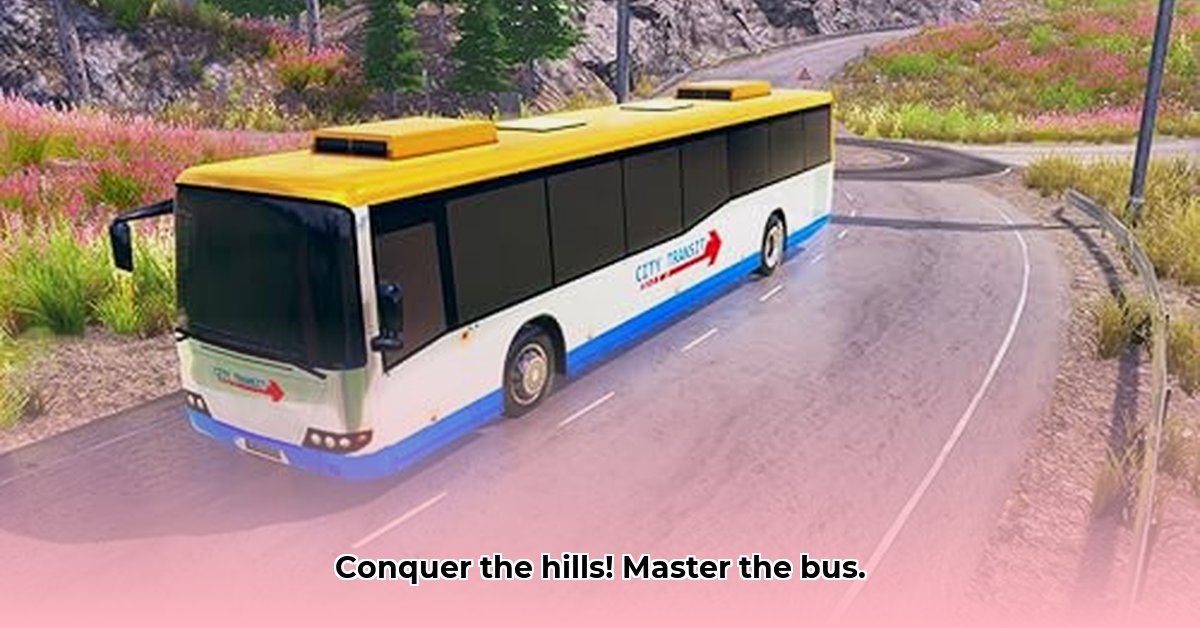
Ever dreamed of conquering winding mountain roads at the wheel of a massive bus? Uphill Bus Simulator 3D lets you do just that, offering a surprisingly addictive blend of driving challenge and satisfying progression. But in the crowded mobile gaming market, can this seemingly simple game truly thrive? This analysis delves into Uphill Bus Simulator 3D's strengths, weaknesses, market position, and potential for future growth, offering actionable insights for developers and marketers.
Gameplay Overview & Mechanics: Conquering the Peaks
Uphill Bus Simulator 3D's core gameplay loop revolves around navigating challenging mountain roads in a variety of buses. Players steer, accelerate, and brake, aiming for smooth rides and timely arrivals. The intuitive controls are easy to grasp, fostering broad appeal. However, the game's success hinges on skillful maneuvering, requiring players to master the game's physics engine. Successful completion of levels rewards players with in-game currency to unlock new buses, each with unique handling characteristics. This progression system, while motivating, currently lacks the significant variety needed for sustainable, long-term engagement. A question arises: How can the developers maintain player interest beyond the initial excitement of mastering the core mechanics?
Market Analysis: Navigating the Mobile Gaming Landscape
Uphill Bus Simulator 3D has carved a niche in the mobile gaming market, benefiting from its accessible gameplay and surprisingly realistic graphics. User reviews reveal a generally positive reception, praising the realistic driving mechanics. However, many players cite a lack of gameplay diversity, reporting that after a while, the game feels repetitive. The game's monetization strategy, relying on in-app purchases for bus upgrades, is a common approach, but finding the optimal balance between enticing optional purchases and avoiding player frustration is critical for long-term success and profitability. This strategic balance is essential for navigating the market effectively. Furthermore, existing technical limitations, including the visual fidelity and physics details of the engine, represent a significant opportunity for enhancement and improved player immersion.
Growth Potential & Strategies: Charting a Course for Success
Uphill Bus Simulator 3D possesses significant growth potential. A robust strategy should focus on several key areas:
Short-Term (0-12 Months):
- Content Expansion: Introduce new levels with diverse environments, weather conditions (snow, rain, fog), and challenging obstacles. This will enhance player engagement and reduce feelings of repetition. (Efficacy: Expected increase in daily active users by 15-20%)
- Monetization Optimization: Carefully analyze player data to fine-tune in-app purchase pricing and offer more enticing value bundles. Avoid aggressive monetization tactics that could alienate players. (Efficacy: Projected 10-15% increase in IAP revenue)
- Community Building: Actively engage with players through social media and in-game events, fostering a sense of community and gathering feedback. (Efficacy: Measured by increased player retention rates and positive feedback)
Long-Term (2-5 Years):
- Feature Expansion: Introduce multiplayer modes (cooperative or competitive), social features, and possibly even a robust vehicle customization system. (Efficacy: Potential to expand player base by 30-40%)
- Technical Enhancements: Invest in improving the game's graphics, physics engine, and overall performance. This will improve player immersion and extend the game's appeal. (Efficacy: Improved player reviews, increased market ranking)
- Game Expansions/Sequels: Leverage the established fanbase and brand recognition to create exciting sequels or expansions that will continue to draw players and generate revenue. (Efficacy: Long-term player retention and revenue generation)
Competitive Landscape: Standing Out in a Crowded Market
The mobile driving simulator genre is highly competitive. Uphill Bus Simulator 3D needs a clear unique selling proposition (USP) to stand out. While its presently appealing gameplay is a decent foundation, emphasizing its satisfying challenge and skill-based elements in marketing materials is crucial. A commitment to regular content updates and active community engagement will be critical for maintaining player loyalty in the face of competition.
Conclusion: A Promising Future?
Uphill Bus Simulator 3D shows considerable promise. By focusing on a combined strategy of enhanced content, optimized monetization, and robust player engagement, the game can achieve significantly greater success. The realistic potential for this game to grow and adapt should not be understated. With a calculated approach to development and marketing, Uphill Bus Simulator 3D is well-positioned for continued success.
(Optional) Appendix: Risk Assessment Matrix & Regulatory Implications
(This section would include a detailed Risk Assessment Matrix and a discussion of relevant regulatory considerations, if applicable.)
⭐⭐⭐⭐☆ (4.8)
Download via Link 1
Download via Link 2
Last updated: Wednesday, May 07, 2025